

 ไทย
ไทย
For those who have recently undergone cosmetic surgery and want to minimize their recovery time, the fastest way to help wounds heal without relying solely on medication is to focus on consuming foods rich in protein, vitamin A, vitamin C, iron, zinc, and good fats. These nutrients function to repair torn tissues, stimulate collagen production, and quickly transport nourishment to the cells around the wound. Not only do they help the wound dry and close faster, but they also effectively reduce the risk of inflammation, infection, and keloid scarring.
Key Takeaways
- Protein is the heart of healing: It is the primary nutrient the body uses to patch up and repair cells damaged by the surgical incision.
- Collagen is built with Vitamin C: Smooth wound healing requires collagen, and vitamin C is the catalyst for this process.
- Reduce infection with Vitamin A and Zinc: They help fortify the new skin barrier and stimulate wound-healing enzymes.
- Debunking myths: Eating eggs, chicken, or seafood (properly cooked and clean) does not cause wound rotting or keloids, provided you are not allergic to those foods.
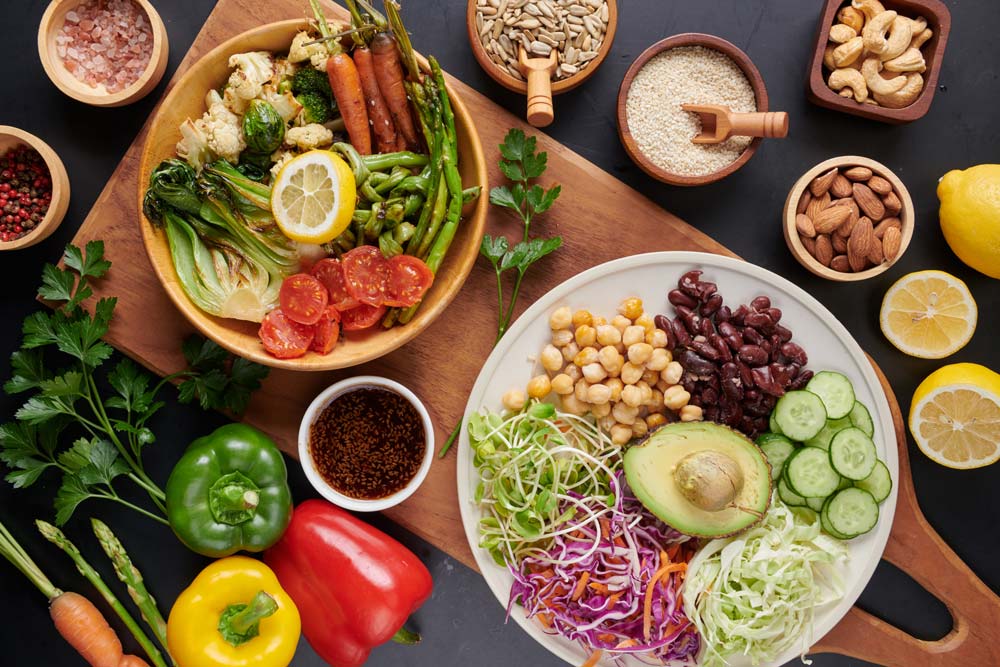
| Essential Nutrients | Recommended Food Sources | Main Benefits for Surgical Wounds |
|---|---|---|
| Protein | Fish, chicken breast, eggs, milk, yogurt, beans | Builds and repairs tissues to help wounds close quickly |
| Vitamin C | Guava, orange, kiwi, berries, Indian gooseberry | Stimulates collagen production, boosts immunity |
| Vitamin A | Carrot, pumpkin, leafy greens, papaya | Creates new tissue cells, prevents wound infection |
| Iron | Liver, organ meats, broccoli, morning glory | Creates red blood cells, delivers oxygen to the wound |
| Zinc | Seafood, lean meats, grains, pumpkin seeds | Stimulates new skin cell production, heals wounds |
| Unsaturated Fats (Good Fats) | Olive oil, avocado, almonds | Provides energy, prevents the body from breaking down protein for energy |
1. Foods Rich in Protein
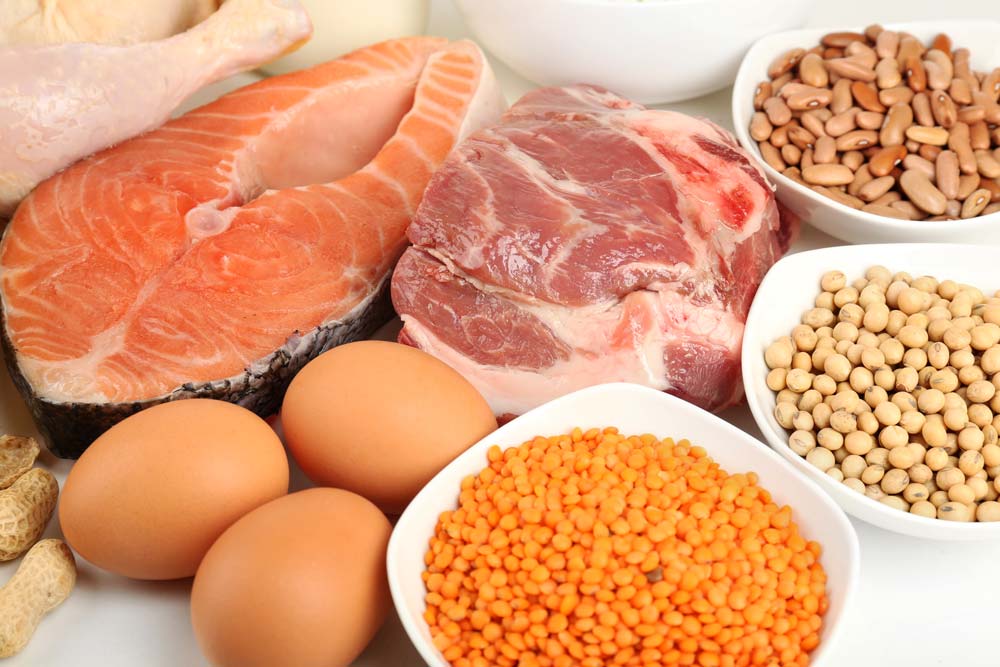
Protein is the number one most important nutrient for building and repairing tissues damaged by surgery. It helps cells in the body connect easily, allowing the wound edges to close faster. When the wound heals quickly, the chance of bacterial complications also decreases accordingly.
Recommended Sources:
- Easily digestible meats like fish, chicken breast, or lean pork.
- Animal products like eggs, milk, and natural yogurt.
- Plant-based proteins like tofu, soy milk, and various beans.
2. Foods Rich in Vitamin A
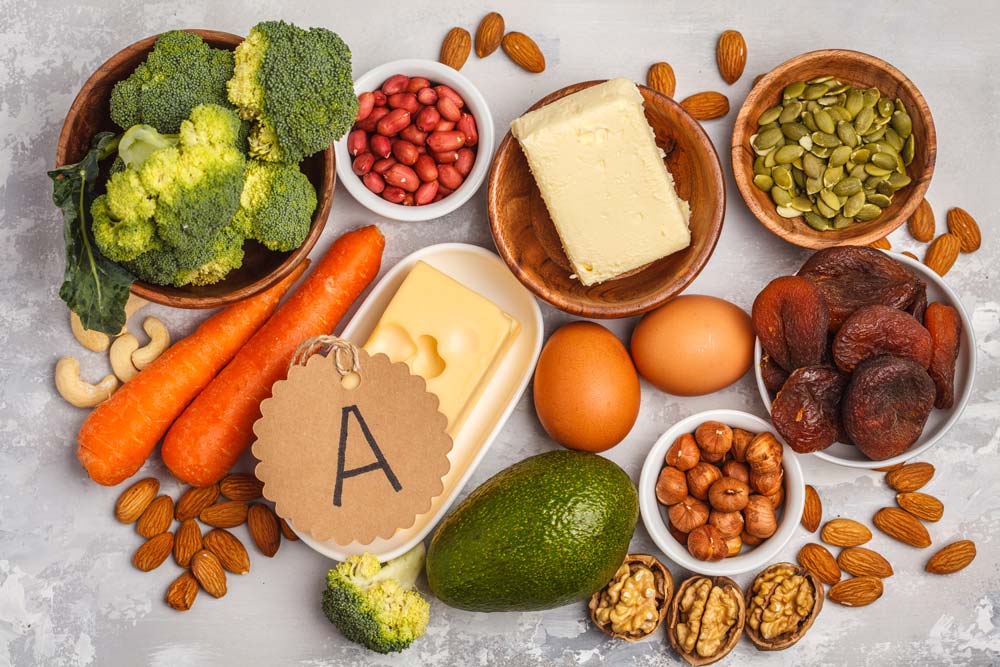
Vitamin A is not only good for your eyesight but also plays a crucial role in creating new tissue cells. If you want the wound to heal quickly and be covered by strong skin, Vitamin A is a key helper. Furthermore, it possesses properties that effectively reduce the risk of wound infection.
Recommended Sources:
- Orange/yellow fruits and vegetables like carrots, sweet potatoes, pumpkins, cantaloupes, ripe papayas, and mangoes.
- Dark leafy greens like ivy gourd, spinach, and kale.
- Liver and cod liver oil.
3. Foods Rich in Vitamin C
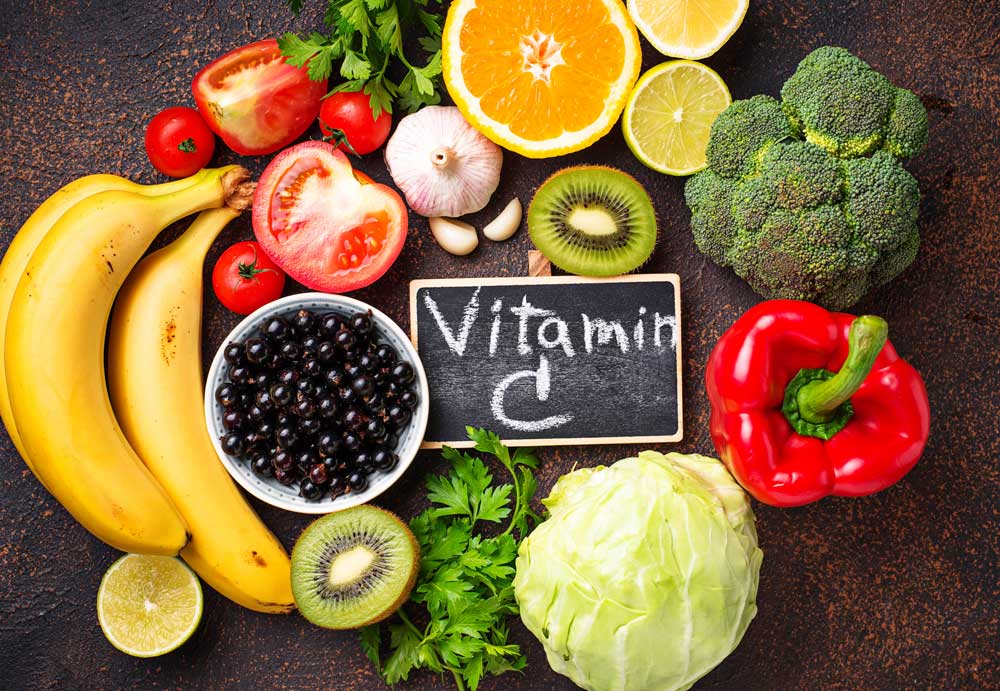
Vitamin C is an antioxidant that helps build cell walls and strengthens capillaries around the wound. Its major highlight is stimulating “collagen production” under the skin layer, which is the primary protein that makes the wound smooth, elastic, and prevents sunken scars.
Recommended Sources:
- Citrus fruits like oranges, lemons, and grapefruits.
- High-vitamin C fruits like guava, kiwi, and Indian gooseberry.
- Berries like strawberries and blueberries.
4. Foods Rich in Iron
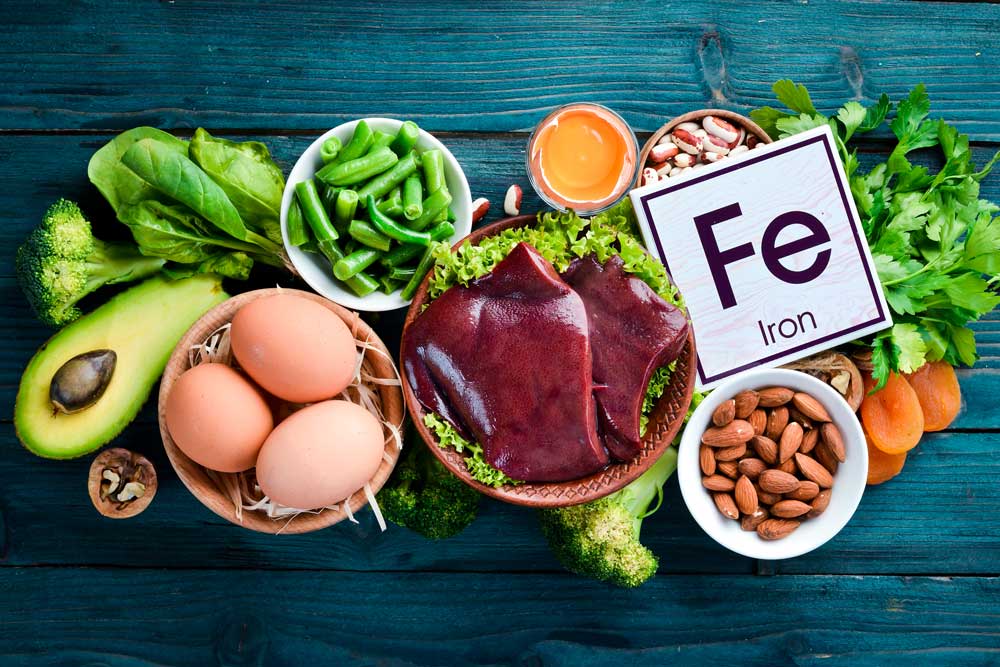
Iron is a key component of red blood cells, acting like a transport vehicle delivering oxygen and other nutrients to nourish the wound area. If the wound receives enough oxygen, the repair process can work at full capacity. Conversely, if there is an iron deficiency, the wound will heal slowly and look pale.
Recommended Sources:
- Animal organs like liver, pork/chicken blood.
- Dark leafy greens like broccoli, morning glory, and asparagus.
- Lean red meat (eaten in moderate amounts).
5. Foods Rich in Zinc
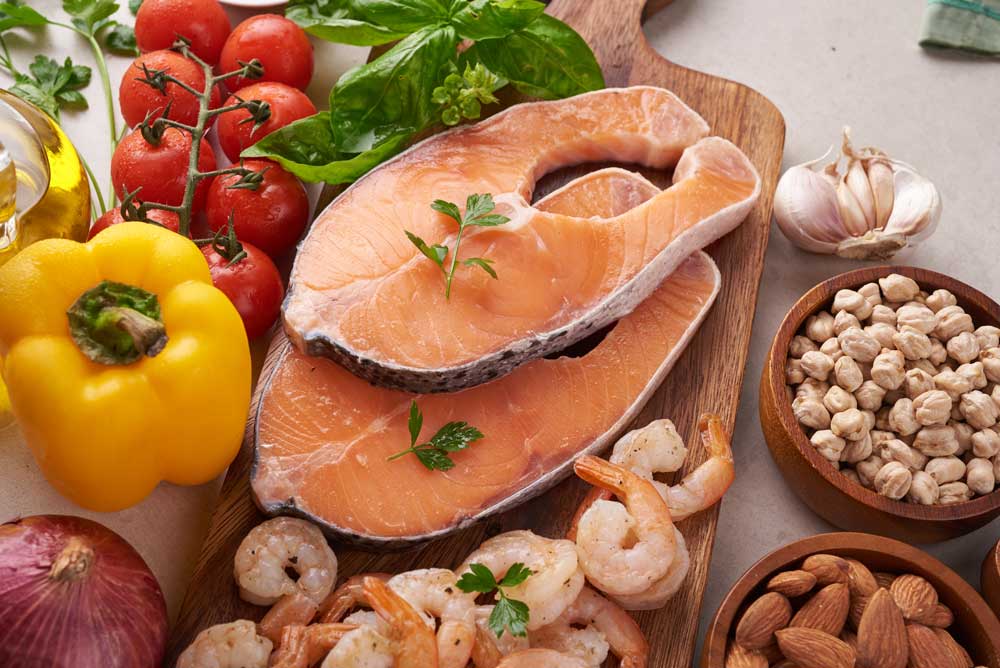
Zinc stimulates the activity of enzymes that help produce new skin cells. It also helps the body absorb and utilize protein more efficiently. Anyone wanting their surgical wound to dry quickly and bruises to fade fast should especially supplement this nutrient group.
Recommended Sources:
- Seafood like oysters, crabs, and shrimp (must be 100% fully cooked).
- Meats like beef and lamb.
- Grains and nuts like pumpkin seeds, sesame seeds, and hard-shelled nuts.
6. Foods with Unsaturated Fatty Acids (Good Fats)
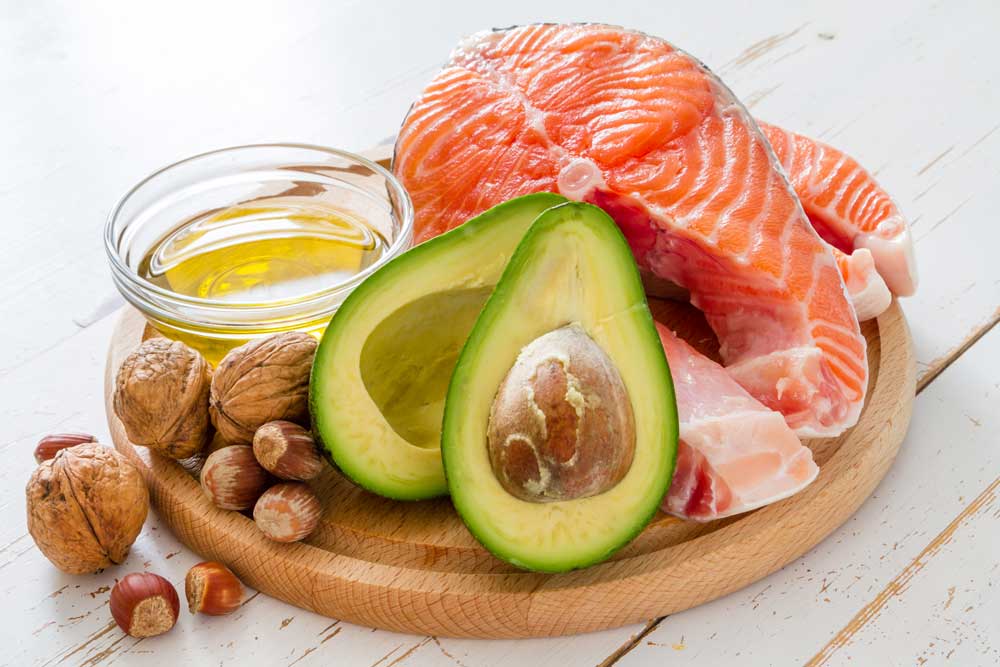
While the body is recovering from surgery, it requires very high energy levels. Good fats step in to provide this energy, preventing the body from pulling “protein” from the muscles to burn. This allows those proteins to be fully utilized for wound healing.
Recommended Sources:
- Naturally extracted oils like olive oil, rice bran oil, and sesame oil.
- Fruits and grains providing good fats like avocados, almonds, peanuts, and soybeans.
- Deep-sea fish with good fats like salmon and tuna.
Conclusion: Taking Care of Yourself for the Best Results
Although consuming foods from all 6 groups will accelerate the healing process and make it more efficient, don’t forget that “preventing trauma to the wound” and strictly maintaining cleanliness are equally important. If you maintain good nutrition alongside following your doctor’s advice properly, rest assured your surgical scars will heal quickly, smoothly, and you’ll be ready to flaunt your beautiful results with confidence.
If you are planning to undergo cosmetic surgery and are looking for a clinic that takes close care of you from pre-op to post-op consultations, you can book an initial assessment at The SiB Clinic. We have a team of specialized doctors ready to take care of you at every step.
Frequently Asked Questions (FAQ)
1. Does eating eggs really cause surgical wounds to become raised scars (keloids)?
Not true. This is a medical myth. Eggs are an excellent source of protein that the body needs to repair wounds. Keloid scarring is caused by genetics, infection, or wound tension, not by eating eggs.
2. Can I eat seafood after surgery? Will it make the wound rot?
Yes, you can. Seafood is rich in protein and zinc, which help wounds heal faster. However, the condition is that it “must be 100% cooked, fresh, and clean,” and you must not have a history of seafood allergies. Wounds only become inflamed if the food is unclean and causes diarrhea or an allergic reaction.
3. What foods should be strictly avoided after surgery?
You should avoid fermented or pickled foods (like fermented fish, fermented pork, pickled fruits), undercooked foods, alcohol, and smoking. These hinder blood circulation, lower immunity, and highly increase the risk of wound infection.
4. How long do I need to eat these foods for the wound to heal completely?
Generally, external wounds initially close within the first 1-2 weeks. It is recommended to continuously focus on eating these food groups for at least 2-4 weeks to allow the tissue cells and collagen under the skin to fully recover.
5. Can I take Vitamin C pills instead of eating fruits?
Yes, you can take them as a supplement. If eating fresh fruits is inconvenient, taking Vitamin C pills ensures the body receives a specific amount. However, eating fresh fruit provides fiber, which better prevents post-surgery constipation.
6. Why do I feel a loss of appetite after surgery, and how can I fix it?
This is normal and can be caused by stress, medication effects, or pain. It’s recommended to break meals into smaller portions, eat less but more frequently, and choose mild-tasting, easy-to-swallow foods like chicken soup, egg congee, or fresh fruit smoothies.
7. Does taking collagen supplements help surgical wounds heal faster?
Yes, it helps. Collagen peptides contain essential amino acids for wound healing. But for the best results, they should be taken alongside Vitamin C to stimulate the body to effectively use the collagen for skin repair.
8. Does eating chicken really cause wound inflammation?
Not true. Chicken, especially chicken breast, is a low-fat protein source highly recommended by doctors after surgery. If you have no history of chicken allergies, you can eat it normally without worrying about wound inflammation.


Considering cosmetic surgery in Thailand at The SiB Plastic Surgery?
Inquire or schedule a free consultation with our doctor.
 Whatsapp
  หน้าแรก
  โปรโมชั่น
  สอบถาม
  จองคิวฟรี