

 ไทย
ไทย
A Breast Lift is highly safe and not dangerous to the breast structure if performed by a specialized plastic surgeon in a hospital-standard medical facility. Severe risks such as infection, hematoma, or nipple necrosis are very rare. Regarding concerns about future breastfeeding, most women can still breastfeed normally. This is because surgeons use surgical techniques that preserve the milk duct system and the nerves connected to the nipple. However, milk production may decrease somewhat depending on the specific technique used and each patient’s original anatomy.
Key Takeaways
- Who is this for: Those who have sagging breasts but are concerned about safety, side effects, and those who still plan to get pregnant or breastfeed in the future.
- Pros and limitations: It is the only method to permanently and safely fix sagging breasts. However, it is a major surgery requiring general anesthesia, leaves scars, and may cause temporary changes in nipple sensation.
- Recovery time: Requires about 7–14 days of recovery to monitor swelling and bruising.
- Result longevity: A breast lift provides long-lasting results for 10–15 years, but subsequent pregnancies after surgery can cause the breasts to sag again.
- What to know before deciding: If you plan to get pregnant in the next 1-2 years, plastic surgeons usually recommend postponing the surgery until you have finished having children for the most cost-effective results.
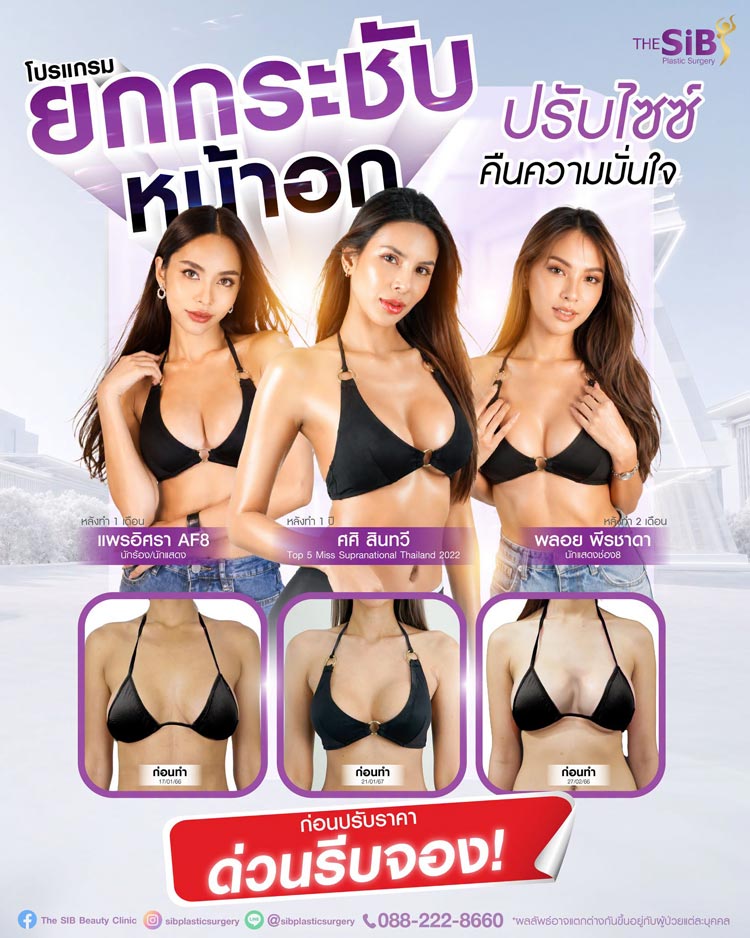
| Concerns / Risks | Medical Facts |
|---|---|
| Ability to breastfeed | Mostly possible (milk volume might slightly decrease) |
| Dangers of general anesthesia | Extremely safe if managed by a specialized anesthesiologist 1:1 |
| Nipple numbness | Temporary, usually returns to normal in 3 – 6 months |
| Risk of nipple necrosis | Very rare (A specialized doctor will accurately calculate skin tension) |
| Keloid formation (Scars) | Preventable with tension-free suturing techniques and consistent scar care |
| Breast cancer risk | A breast lift does “not” increase the risk of breast cancer |
Is a Breast Lift Dangerous? A Deep Dive into Potential Risks
All types of surgery carry risks, but for a breast lift, those risks are at a “controllable and preventable” level if performed correctly according to anatomical principles. The common symptoms are natural side effects of tissue healing, not severe life-threatening dangers or systemic dysfunctions.
Common Side Effects and Risks
- Scarring: Inevitable, but scars will be hidden around the areola and the breast fold. Scars will be red lines initially and fade over a year. Proper wound care will help scars blend smoothly with the skin.
- Changes in Sensation: Numbness or hypersensitivity around the areola and nipple is caused by capillary nerves being disturbed during tissue dissection. This is temporary and gradually recovers in 3-6 months.
- Mild Asymmetry: Naturally, breasts are not 100% identical. The surgeon will try to make them as symmetrical as possible, but slight variations may occur after swelling subsides.
- Necrosis: The most dangerous but “very rare” complication. It usually occurs in heavy smokers or when the doctor calculates the skin excision too tightly, leading to insufficient blood supply to the nipple. Choosing a specialized plastic surgeon closes this risk almost to 100%.
Can I Still Breastfeed After a Breast Lift?
The number one concern for women of reproductive age is breastfeeding. The good news is you can still breastfeed. Modern breast lift techniques have been developed to preserve the milk duct network as much as possible.
- ✔️ Pedicle Technique: The surgeon pushes the breast tissue and nipple upwards as a single unit, without severing the nipple from the underlying tissue base. This keeps the lactiferous ducts and nerves connected to the nipple intact.
- ✔️ Milk Volume Might Decrease: Although you can breastfeed, the surgery might involve removing some breast tissue to shape it, meaning some milk-producing glands are lost. Mothers might notice a decrease in milk volume compared to never having had surgery.
- ✔️ Option for Those Planning Children: If a patient plans to get pregnant in the next 1-2 years, doctors usually recommend “waiting to get a lift after finishing having children” to prevent the breasts from sagging again due to stretching during pregnancy.
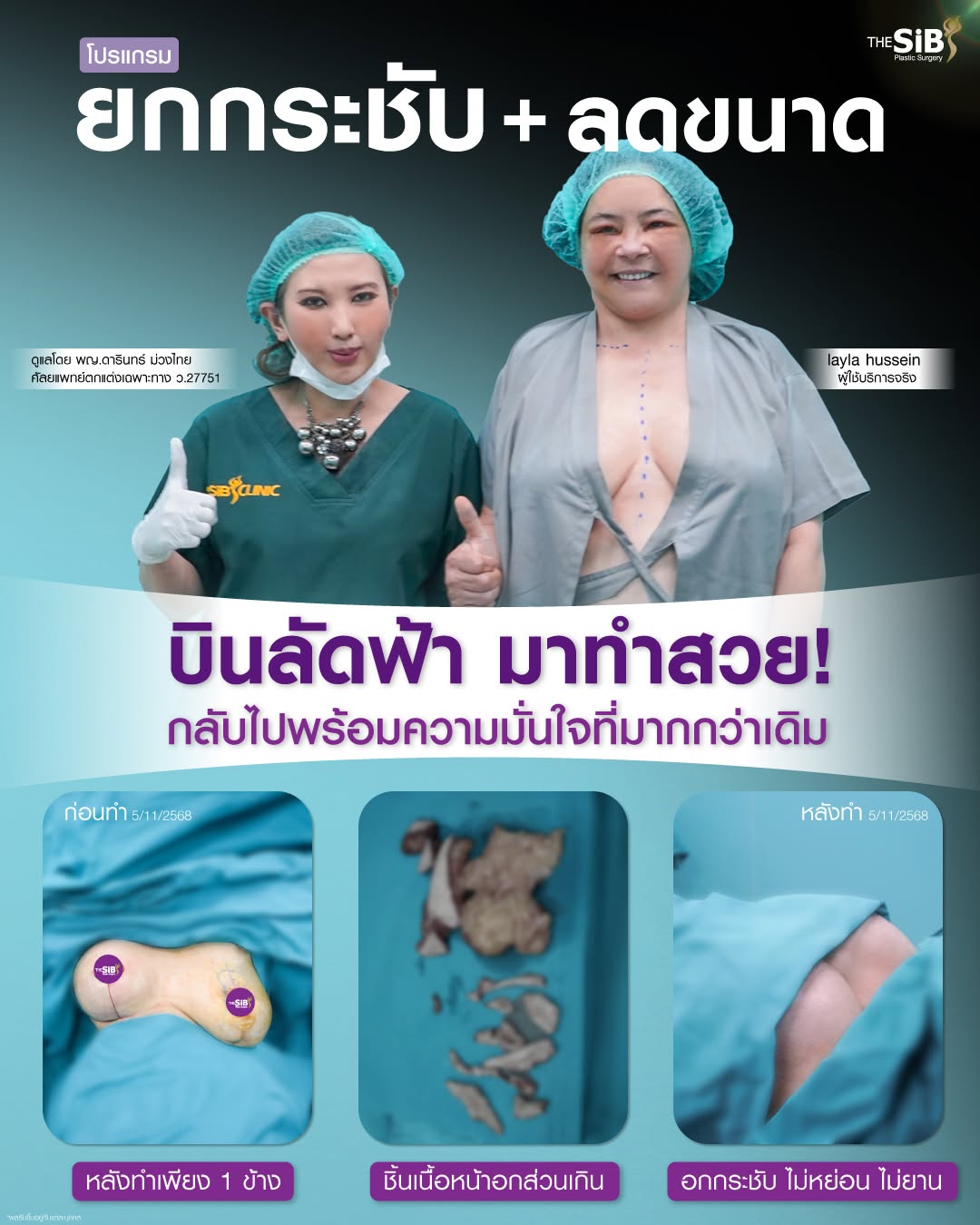
Risk Reduction Checklist: How to Prepare for Maximum Surgical Safety?
Safety doesn’t solely depend on the doctor; it starts with the patient’s preparation. Being honest about your health history and strictly following the doctor’s instructions will drastically reduce complications during and after surgery.
Checklist for Ultimate Safety:
- 🚫 Strictly Stop Smoking and Vaping: For at least 4 weeks before and after surgery. Nicotine constricts blood vessels, which is the main cause of slow wound healing, wound separation, and increases the risk of nipple necrosis.
- 🚫 Stop Medications and Supplements Affecting Blood Clotting: Such as Aspirin, Vitamin E, Fish Oil, Ginseng, and Garlic extract, for at least 2 weeks to prevent excessive bleeding and hematomas.
- 🚫 Disclose All Medical History: Including history of easy keloid scarring, drug allergies, and family history of anesthesia allergies.
- 🚫 Pre-operative Checkup (Pre-op): Requires blood tests, an EKG, and in some cases, a mammogram or breast ultrasound as recommended by the doctor.

Why is Breast Lift Safety at The SiB Clinic Most Reassuring?
A breast lift is a major surgery taking 2-4 hours. Choosing a standardized clinic is the best shield against risks. At The SiB Clinic, we implement safety systems comparable to leading hospitals, overseen by Dr. Darin Muangthai, a Specialized Plastic Surgeon with over 20 years of experience.
- A True Specialized Plastic Surgeon: Dr. Darin is an expert in breast anatomy. She can accurately calculate skin tension to prevent wound separation and precisely preserve milk ducts.
- Anesthesia Administered by a 1:1 Anesthesiologist: Nurses are never used to administer anesthesia. A specialized anesthesiologist monitors the patient’s vital signs every second throughout the surgery.
- Positive Pressure Operating Room: An internationally sterile operating room with a positive pressure system pushes pathogens and dust outward, reducing infection risks to zero.
- Tension-Free Suturing Technique: Beyond safety, Dr. Darin emphasizes aesthetics. Suturing the outer skin without tension reduces the chance of keloids, resulting in the smoothest scars.
Conclusion & Recommendations
Breast lift surgery is not a dangerous procedure and does not strip away your ability to breastfeed. If evaluated and performed by a specialized plastic surgeon in a standardized medical facility, risks are managed to the highest safety level, delivering a High ROI in the form of sustainable beauty and confidence.
Our Recommendation for You: If you are concerned about safety or have questions regarding breastfeeding within the context of your own anatomy, we recommend booking a consultation with Dr. Darin Muangthai at The SiB Clinic. The doctor will assess your structure and explain the surgical approach in the most straightforward manner possible.

Frequently Asked Questions (FAQ)
Is it 100% guaranteed that I can breastfeed normally?
Doctors cannot guarantee it 100%. Even using milk-duct preserving techniques, individual bodily responses vary. Most can breastfeed, but milk volume might be lower than before.
Will the nipple numbness be permanent?
Generally, numbness is temporary. Sensation will gradually return within 3-6 months. Permanent numbness is very rare when performed by a specialized plastic surgeon.
Is Nipple Necrosis scary? How can it be prevented?
It is a dangerous but preventable complication. It is prevented by strictly abstaining from smoking, and the surgeon will calculate the nipple repositioning without stretching blood vessels too tightly.
Is general anesthesia for 2-4 hours dangerous to the brain?
It is not dangerous. If managed by a specialized anesthesiologist with standard vital sign monitoring equipment, the body will expel all the anesthesia, and you will wake up safely.
Does breast lift surgery increase the risk of breast cancer?
There is no correlation. Breast surgery does not trigger the formation of cancer cells in any way.
How can post-op keloid scars be prevented?
The doctor will use tension-free suturing techniques. The patient must avoid lifting heavy objects in the first month and consistently apply silicone scar gel or undergo laser treatments as recommended by the clinic.
If I plan to get pregnant next year, should I get a breast lift now?
It is recommended to “delay” the surgery. You should wait until you have completed your pregnancy, breastfeeding, and weaning before getting surgery to prevent the results from losing their shape due to pregnancy-induced stretching.
If I do a breast lift along with silicone implants, will the risks increase?
Surgical complexity slightly increases. However, overall risks remain at a very safe level when performed by an expert doctor, yielding beautiful results in a single comprehensive procedure.
Are e-cigarettes (Vapes) allowed during recovery?
Absolutely not. The nicotine in e-cigarettes constricts blood vessels and hinders wound healing just like traditional cigarettes. They must be avoided for at least 4 weeks before and after surgery.
Is there a fee for consulting the doctor before deciding?
There is no charge for an initial assessment and consultation. The SiB Clinic is happy to provide safety information and answer all questions transparently. You can book an appointment in advance.


Considering cosmetic surgery in Thailand at The SiB Plastic Surgery?
Inquire or schedule a free consultation with our doctor.
 Whatsapp
  หน้าแรก
  โปรโมชั่น
  สอบถาม
  จองคิวฟรี