

 English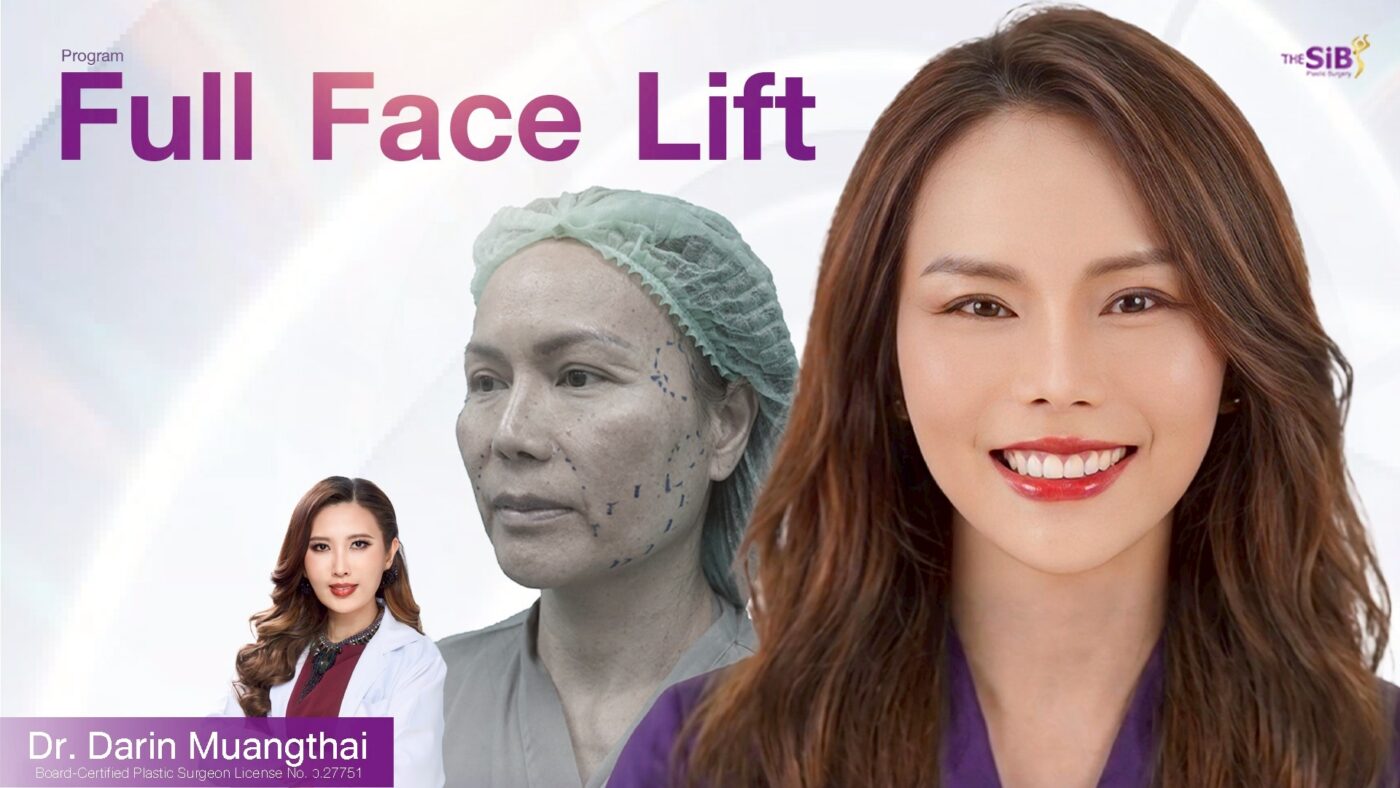
Many people still think of a facelift as a procedure that simply tightens loose skin. But in reality, facial aging is far more complex than that. A modern Full Face Lift is not designed to create a pulled appearance on the surface. Its true purpose is to restore the deeper support structure of the face that has gradually shifted with age.
This is important because the face does not age in only one layer. As time passes, several changes happen at once. The skin becomes thinner and less elastic. Fat compartments begin to lose volume in some areas and descend in others. Retaining ligaments loosen. The deeper tissue support weakens. All of these changes together affect how the face looks as a whole.
That is why many patients do not only notice wrinkles. What they often see first is that the face starts to look heavier, more tired, and less defined. The cheeks may begin to sag, the nasolabial folds become deeper, and the jawline loses its sharpness. In some cases, the lower face can also appear bulkier or less contoured than before.
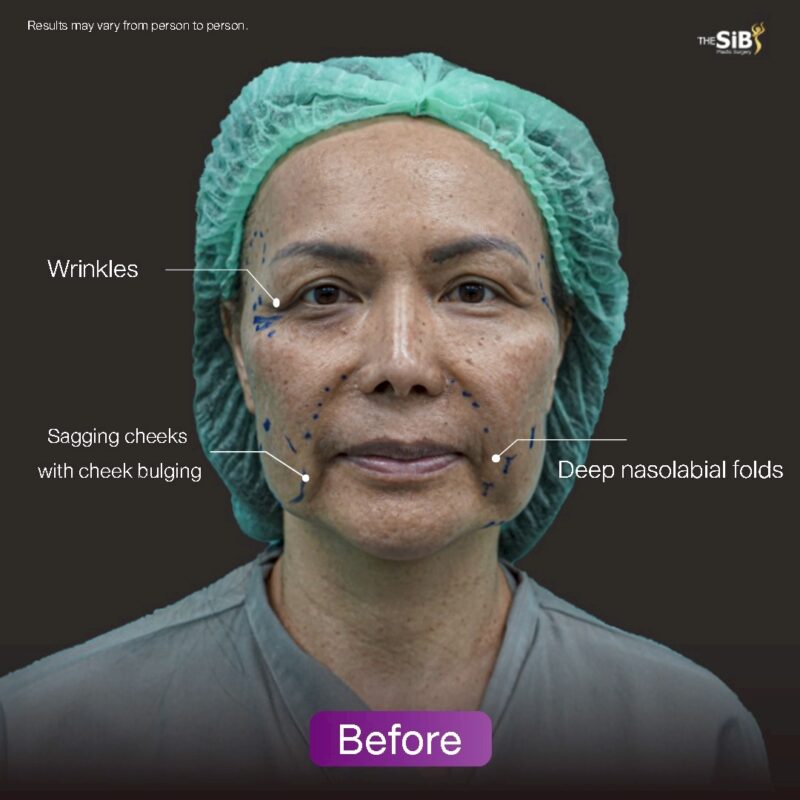

These visible changes are often caused not just by loose skin, but by the downward movement of the deeper facial layers. Once the deeper structure begins to descend, the skin above it follows. This creates the impression of facial heaviness and aging, even in patients who still have relatively good skin quality.
Because of this, simply tightening the skin cannot fully correct the problem. If the deeper support system is not addressed, the result may look tight on the surface but still lack natural youthful contour. This is one of the main reasons why older facelift methods sometimes created a look that felt unnatural or overdone.
A structural facelift takes a different approach. Instead of relying on surface tension, the surgery focuses on repositioning the deeper layers of the face back to a more youthful position. One of the most important layers involved in this process is the SMAS layer, which helps support the muscles and soft tissue of the mid and lower face.
When the SMAS is lifted and repositioned properly, the cheeks can be restored to a better position, the jawline can become more defined, and the lower face can appear lighter and more balanced. Once the deeper structure is corrected, the skin can then be adjusted more naturally, without the need for excessive pulling.
This is what makes the result look more refined. The goal is not to make the face look tight. The goal is to make the face look supported again.

Another reason this approach matters is that a youthful face is not defined by tightness alone. It is defined by harmony. The relationship between the cheeks, jawline, folds, and lower face needs to look balanced. If only one part is tightened while the rest remains structurally aged, the result may not look convincing. A structural approach helps improve the face as a whole rather than treating one visible symptom in isolation.
This is also why careful assessment before surgery is so important. Every face ages differently. Some patients lose more volume in the midface. Some develop stronger jowling. Others mainly struggle with lower-face heaviness or neck laxity. A successful Full Face Lift must be tailored to the individual facial structure, not performed with the same technique on every patient.
When done properly, a structural facelift does more than reduce signs of aging. It restores contour, improves support, and creates a fresher appearance while still preserving the person’s natural identity. The face should not look different. It should look like a more lifted, rested, and younger version of itself.
That is why structural lifting matters more than skin tightening. Because true facial rejuvenation does not come from pulling the surface. It comes from rebuilding the foundation beneath it.


 LINE OFFICIAL
  หน้าแรก
  โปรโมชั่น
  สอบถาม
  จองคิวฟรี