

 English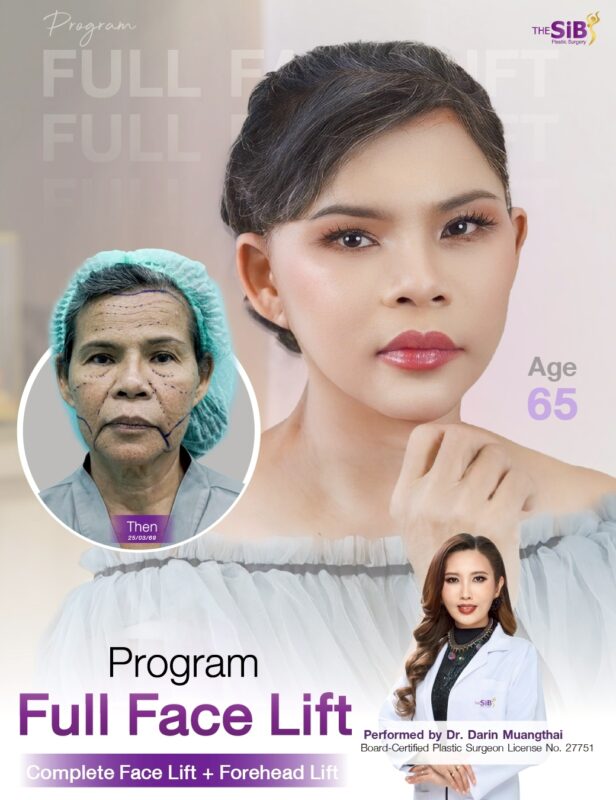
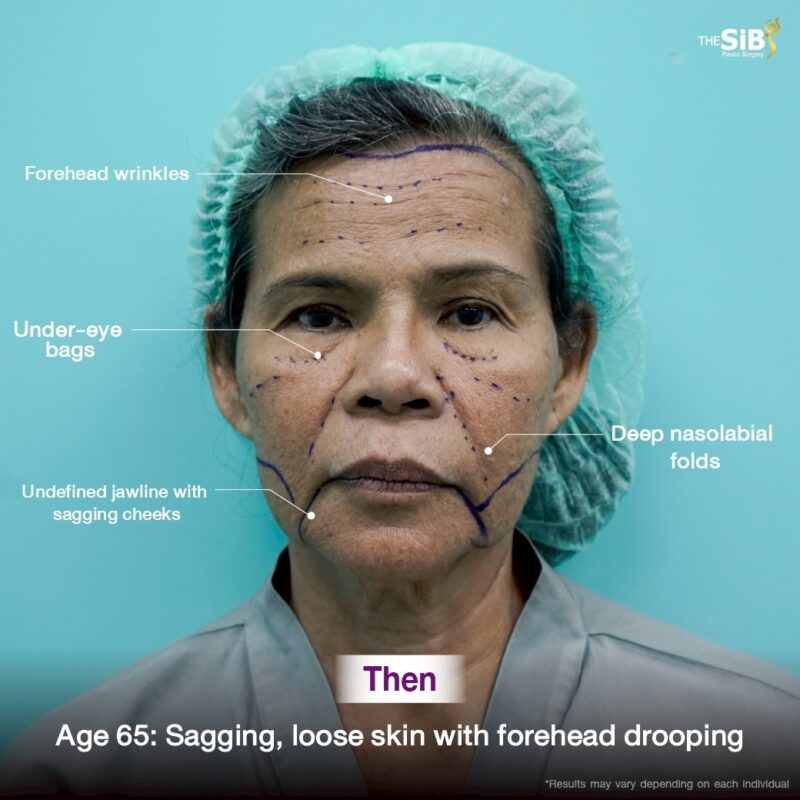
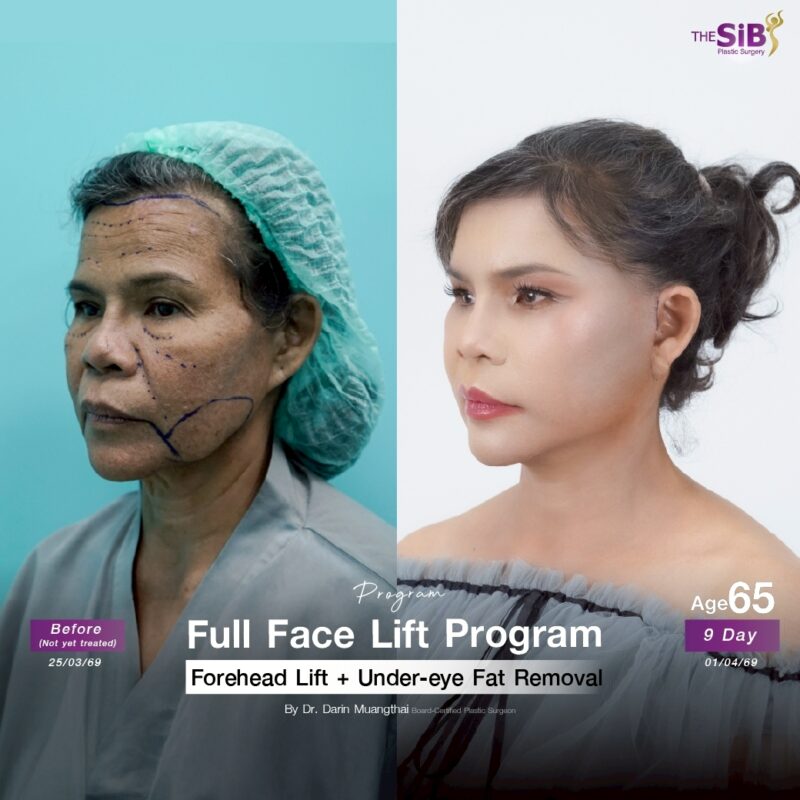
This case features a 65-year-old woman experiencing advanced, multi-layer facial aging not just fine lines, but structural changes affecting the entire face. Over time, the forehead developed deep static lines, the brows and tail of the eyes began to descend, under-eye fat protrusion became more prominent, and the mid-face lost volume support, causing the cheeks to sag and deepen the nasolabial folds. The jawline lost definition, and skin laxity extended down toward the lower face and neck. Altogether, these changes created a fatigued, aged appearance that did not reflect how she truly felt inside.
What makes this case important is understanding that aging at this stage is not a “skin problem” it is a structural problem. Many patients at this age have already tried skincare, energy-based devices, or injectables, which may improve surface quality but cannot reposition descended tissues. Without addressing the deeper anatomical layers, results will always be limited and temporary.
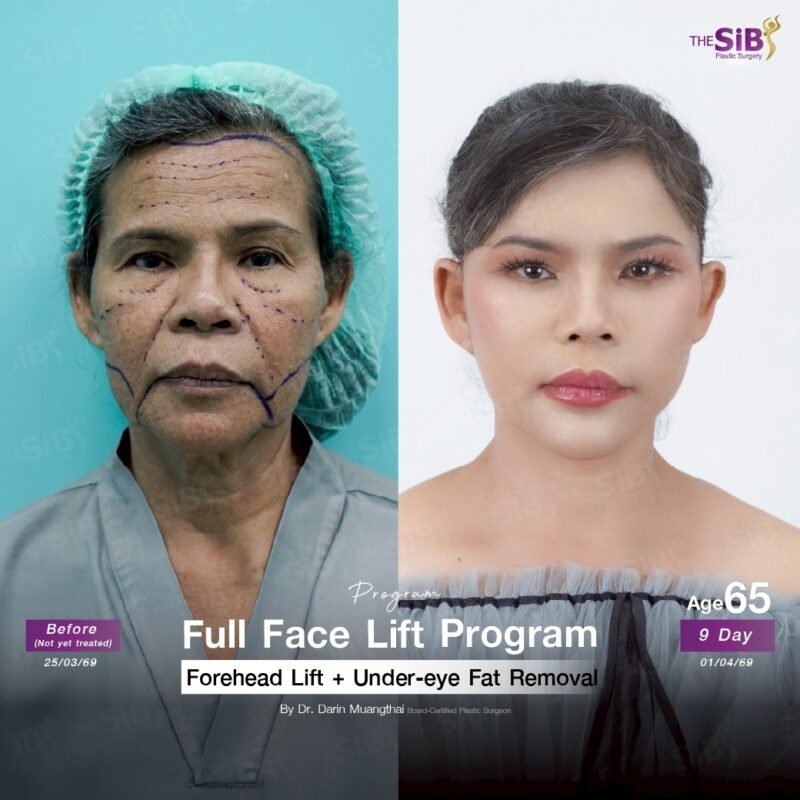
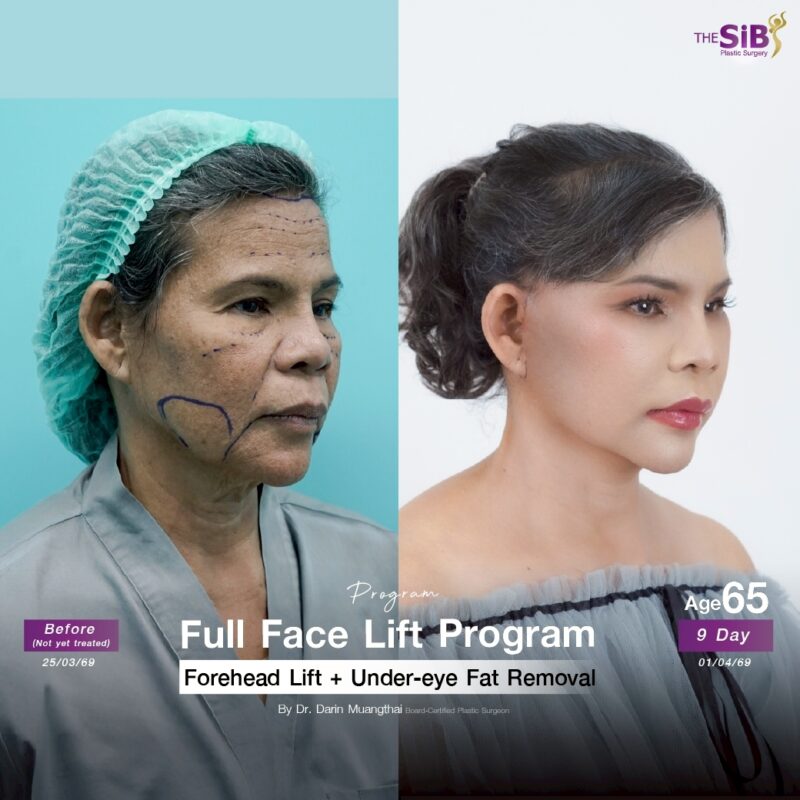
After a comprehensive facial analysis, the treatment plan was designed with a structural-first approach. The patient underwent a Full Face Lift targeting the SMAS layer (the key support structure of the face), combined with a forehead lift to restore upper-face position and an under-eye fat removal procedure to correct lower eyelid bulging. This combination was chosen not for exaggeration, but for balance lifting the face in harmony from top to bottom, ensuring a natural and cohesive result.
The most remarkable aspect of this case is the timeline. At just 9 days post-procedure, visible transformation had already occurred. The facial tissues were repositioned upward in a controlled vector, restoring youthful contours without distortion. The jawline became sharply defined, the cheeks regained elevation, and the nasolabial folds appeared significantly softened. The under-eye area, previously heavy and tired, became smoother and brighter, allowing the eyes to appear more open and refreshed.
From a clinical perspective, early results like this indicate proper surgical technique, precise tissue handling, and well-planned tension distribution key factors that reduce excessive swelling and promote faster recovery. While full results will continue to improve over time, this early stage already demonstrates a strong structural correction.
Equally important is the quality of the outcome. The face does not appear tight, artificial, or “overdone.” Instead, it reflects a refined version of the patient’s original identity fresher, more lifted, and more aligned with her internal energy. This is the hallmark of advanced facelift techniques: not changing who you are, but restoring who you were at your best.
Post-operative care was manageable and guided closely by the medical team. Initial swelling is expected, but with proper care, patients can return to daily activities relatively quickly. This case reinforces that when performed correctly, facelift surgery is not only effective but also predictable and safe.
Ultimately, this transformation goes beyond aesthetics. It is about restoring confidence, presence, and self-perception. When the external appearance matches the inner vitality, it changes how a person moves through the worldmore confident, more expressive, and more empowered.




 LINE OFFICIAL
  หน้าแรก
  โปรโมชั่น
  สอบถาม
  จองคิวฟรี