

 English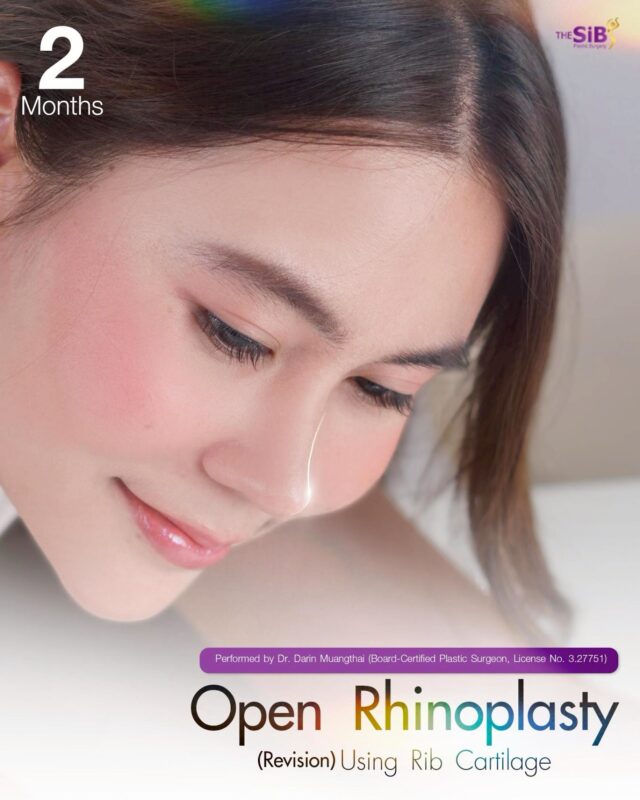
This case clearly reflects a patient who didn’t just have an issue with the shape of the nose, but deeper structural problems that affected the overall harmony of the face.
Before the procedure, this patient had multiple noticeable concerns:
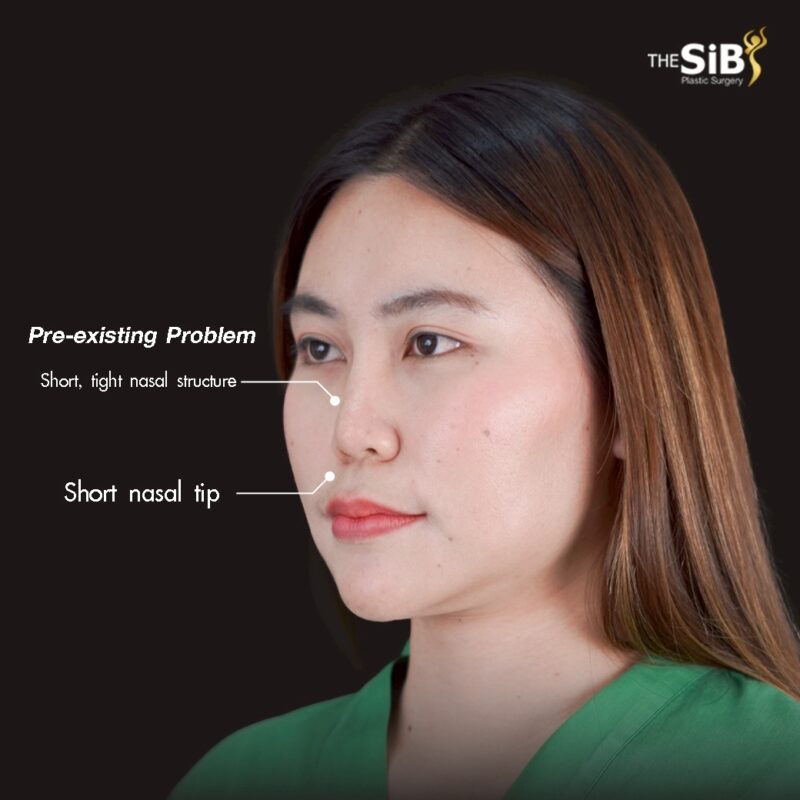
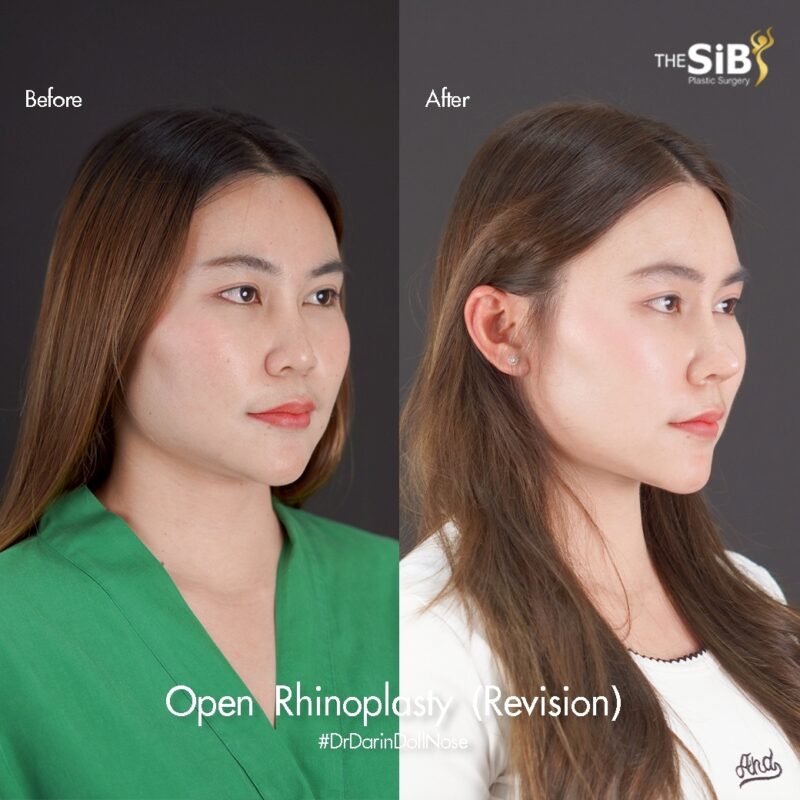
The nasal structure was short and tight, making the nose look compressed and not elongated
The nasal tip was short and lacked projection, causing the face to appear flat, especially from the side view
The cartilage structure was relatively stiff, limiting the ability to shape the nose naturally
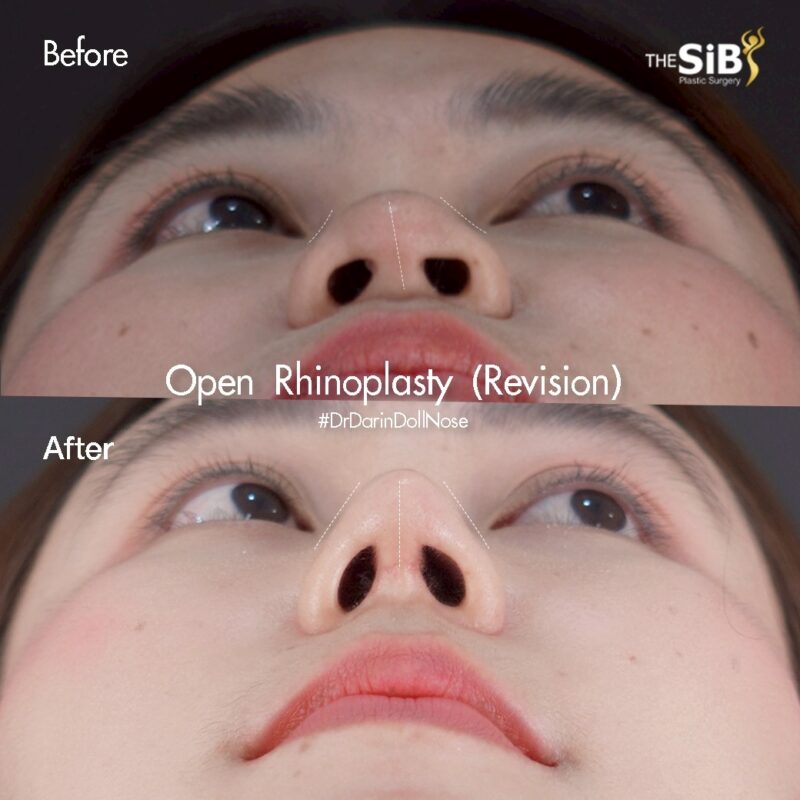
The nostrils appeared slightly wide and the base was not well-balanced
Overall, the nose lacked dimension and did not complement the facial features
Beyond appearance, these issues affected her daily life
She had to constantly adjust her angles when taking photos
Even with makeup, the face still felt incomplete
Some angles made her look sharp or harsh, even though her personality was soft and gentle
That’s why she decided to consult a specialist
Not because she wanted a dramatically higher nose
But because she wanted her face to look more harmonious and natural
After a full facial assessment, the doctor concluded that this was a structural case
A simple augmentation would not solve the problem
The recommended approach was Open Rhinoplasty
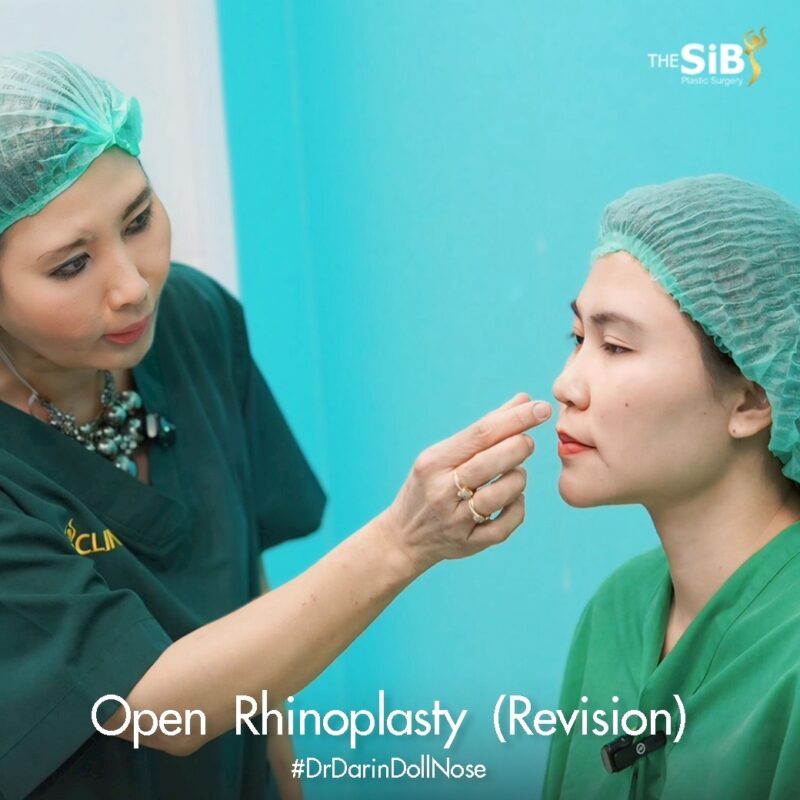
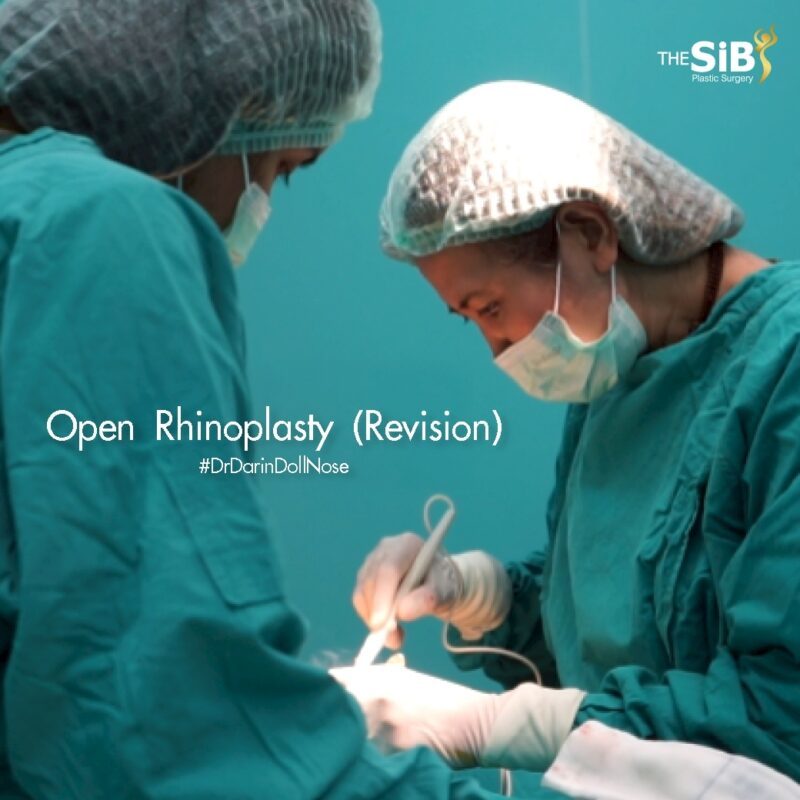
For this patient, the doctor performed multiple advanced techniques:
Restructuring the nasal framework to correct the tight and short structure
Using cartilage (septal/ear cartilage depending on suitability) to extend and support the nasal tip
Refining and repositioning the tip to create a more defined yet natural projection
Adjusting the nasal base slightly to improve facial balance
Creating a smooth and continuous nasal bridge line
Reinforcing the internal structure to ensure long-term stability and prevent future collapse
What makes Open Rhinoplasty powerful is precision
The doctor can directly see and correct each structural issue instead of masking it
During the procedure, the patient did not feel pain due to proper anesthesia
After surgery, there was mild swelling and tightness in the first few days
This is completely normal and gradually subsides
Post-operative care is manageable
Avoid impact, avoid sleeping face-down, and minimize touching the nose
Take medications as prescribed and follow aftercare instructions
Most patients can return to normal daily routines relatively quickly
After the procedure, the changes were clear but still natural
The nasal tip became more refined and gently projected
The bridge appeared smoother and more continuous
The overall nose looked longer and more proportionate
The face gained dimension and softness
From every angle, the face looked more balanced
At 2 months, the shape became noticeably defined
At 6 months, the nose looked even more natural
And at 1 year, the result fully settled — looking like it had always been part of her face
People around her noticed she looked more beautiful and softer
But couldn’t tell exactly what had changed
And that’s the true success of this case
What truly transformed was not just her nose — but her daily life
No more searching for angles
No more feeling incomplete even after makeup
Confidence in every photo, every moment
And the ability to fully be herself without hesitation
Because in the end
A successful rhinoplasty is not about making the nose “higher”
It’s about designing a nose that truly fits the face
And when the structure is corrected the right way
The result is not just beauty
But long-term confidence that stays with you forever





 LINE OFFICIAL
  หน้าแรก
  โปรโมชั่น
  สอบถาม
  จองคิวฟรี