

 English

For some patients, rhinoplasty is not simply about making the nose higher or smaller. It is about correcting previous concerns, improving the overall structure, and creating a nose that looks naturally balanced with the rest of the face.
This patient underwent Open Revision Rhinoplasty using rib cartilage at The SIB Plastic Surgery. The goal was to refine the existing nasal shape while creating better definition, projection, and harmony from every angle.
Why Revision Rhinoplasty?
Revision rhinoplasty can be considered for patients who have previously undergone nose surgery but still have concerns about the shape, structure, symmetry, or overall appearance of their nose.
Because the nasal anatomy may already have been altered by previous surgery, revision cases can be more complex than primary rhinoplasty. The surgeon must carefully assess the existing structure, scar tissue, skin condition, and available cartilage before creating an individualized surgical plan.
In this case, an open rhinoplasty approach was selected to provide greater access to the nasal framework and allow precise structural correction.
Why Use Rib Cartilage?
In revision cases, there may not be enough suitable cartilage remaining in the nose to provide the support required for reconstruction. Rib cartilage can therefore be considered as a graft material when additional structural support is needed.
For this patient, rib cartilage was used as part of the surgical plan to help reshape and support the nose. The objective was not simply to create a dramatic change, but to achieve a more refined nasal bridge and tip while maintaining proportions that complement the patient’s facial features.

7 Days After Surgery: More Facial Dimension
At approximately 7 days after surgery, the early changes in the nasal contour were already visible. The new shape gave the center of the face greater definition and dimension.
At this stage, however, swelling is still expected. The appearance seen during the first week should therefore not be considered the final result.
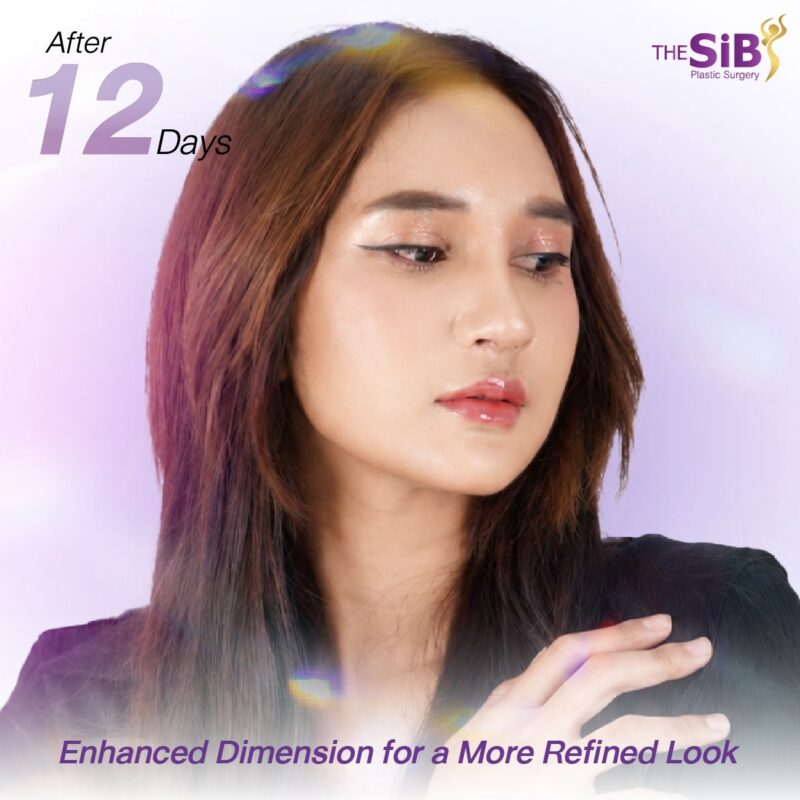
12 Days After Surgery: A More Refined Nasal Tip
By day 12, the nose continued to settle. The nasal tip appeared more refined and increasingly harmonious with the patient’s facial proportions.
Healing after rhinoplasty is gradual, and subtle changes may continue as postoperative swelling decreases
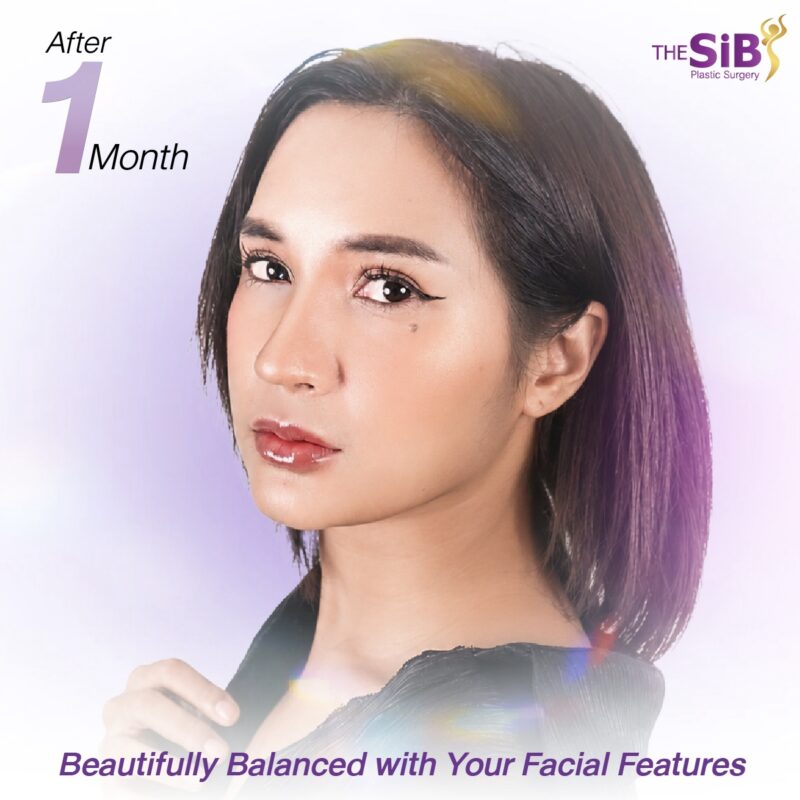
1 Month After Surgery: A More Harmonious Profile
At the 1-month follow-up, the overall nasal contour appeared increasingly defined and balanced with the patient’s face. From both the front and angled views, the nose showed a more polished shape while maintaining a natural-looking appearance.
The transformation demonstrates how revision rhinoplasty can focus on more than one isolated feature. The bridge, tip, projection, and relationship between the nose and the rest of the face all need to be considered together.

Personalized Revision Rhinoplasty at The SIB Plastic Surgery
Every revision rhinoplasty case is different. The appropriate surgical technique and graft material depend on the patient’s existing nasal anatomy, previous procedures, available cartilage, skin characteristics, and desired outcome.
At The SIB Plastic Surgery, each case is evaluated individually so that the surgical plan can be designed around the patient’s facial proportions and structural needs.
For anyone considering revision rhinoplasty, an in-person consultation with a qualified plastic surgeon is essential to assess the nose and discuss realistic goals, surgical options, recovery, and potential risks.
Open Revision Rhinoplasty with Rib Cartilage
Refine the structure. Restore balance. Enhance facial harmony.
Individual results and recovery times may vary. The images shown represent the result of this specific patient and do not guarantee identical outcomes for other patients.
.


 LINE OFFICIAL
 หน้าแรก
 โปรโมชั่น
 สอบถาม
 จองคิวฟรี